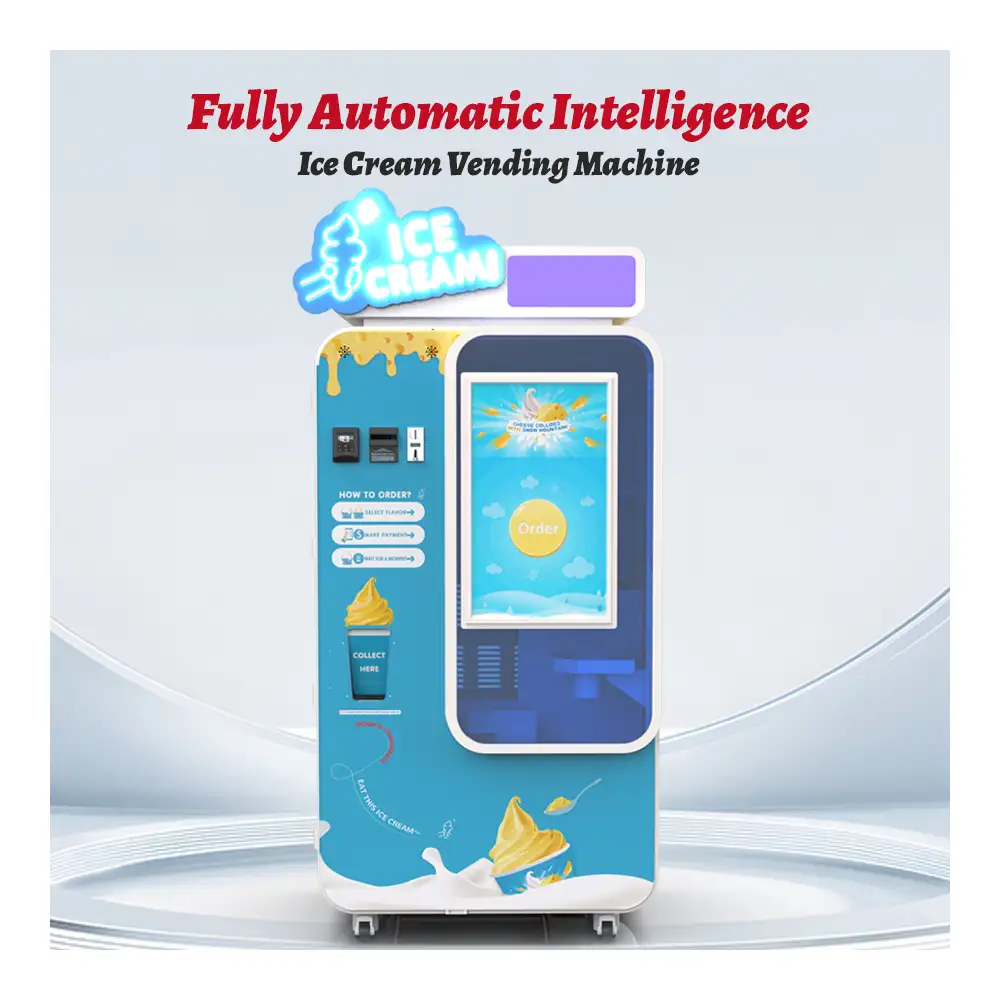
Самый прибыльный бизнес автоматов: Soft Serve Robot Vending Machine
Date:2026-01-07 10:28:05 Author:Huaxin
Столкнувшись с ограниченными бюджетами и ограниченными местами размещения, многие инвесторы в индустрии торговых автоматов борются с одним и тем же вопросом: с большим разнообразием торговых автоматов, доступных, какой тип действительно является наиболее выгодным для инвестиций?Проведя анализ рыночных данных, эксплуатационных затрат и валовой прибыли, мы обнаружили, что робот-продажи мороженого с мягким сервисом превосходят торговые автоматы для напитков, закусок и кофе на значительную маржу с точки зрения валовой прибыли, потенциала прибыли и масштабируемости.

Если вы стремитесь найти наиболее прибыльный бизнес по торговым автоматам, ключевым фактором, который следует учитывать, является не цена машин или новизна их типов, а скорее, какая машина может обеспечить наибольшую отдачу от инвестиций в реальных операционных сценариях.Среди существующих торговых автоматов, напитки, закуски, кофе и мороженое каждый имеет свои преимущества, но основной детерминант рентабельности заключается в потенциале роста прибыли.Другими словами, какая машина может последовательно генерировать высокую доходность в долгосрочной перспективе, несмотря на ограниченные ресурсы.
При этом мы можем более четко оценить фактическую эксплуатационную производительность различных машин и принимать наиболее подходящие решения о покупке.
Как выбрать торговый автомат, если ресурсы ограничены?
Инвестирование в торговые автоматы - это не просто покупка оборудования; это инвестирование в полный бизнес-проект.Поэтому инвесторам необходимо решить важнейший вопрос: как принимать решения для максимизации прибыли от проекта?Стоимость одной машины, как правило, варьируется от 3,500 до 7,000 долларов, а общая инвестиция может достигать десятков тысяч долларов, если планируется несколько мест размещения.На этом фоне инвесторы должны решить: должны ли они выбирать простые в эксплуатации напитковые машины с относительно низкой прибылью или мороженое машины, которые могут похвастаться более высокой прибылью и могут еще больше увеличить прибыль за счет развертывания в нескольких местах?Только прояснив этот вопрос, инвестиционные решения могут быть основаны на потенциале роста прибыли и практических условиях реализации, обеспечивая бесперебойную работу проекта.Сравнение потенциала роста прибыли между различными торговыми автоматами Почему потенциал роста прибыли так важен?
Ответ был дан в первом абзаце: это основной детерминант рентабельности.Давайте сравним эксплуатационные данные общих торговых автоматов:Торговые автоматы для напитков просты в эксплуатации и имеют низкие затраты на сырье, но их валовая прибыль, как правило, варьируется только от 30% до 40%, оставляя ограниченное пространство для роста прибыли при развертывании нескольких машин.Торговые автоматы для закусок предлагают немного более высокую маржу прибыли, около 40 - 50%, но они требуют частых пополнений и управления, увеличивая операционную сложность.Кофейные автоматы могут достигать валовой прибыли от 60 до 70% за чашку, но они поставляются с высокими затратами на оборудование и сложными требованиями к техническому обслуживанию.Без надлежащего управления прибыль вряд ли может покрыть операционные расходы.
Эти сравнения также демонстрируют, что высокая валовая прибыль сама по себе не гарантирует высокую конечную прибыль для машины; сложность управления и выбор местоположения также оказывают значительное влияние на конечную рентабельность.Инвесторы должны уделять первоочередное внимание долгосрочному потенциалу роста прибыли при принятии решений о покупке.
Почему мороженое - более выгодный выбор?
Как видно из предыдущего сравнения торговых автоматов для напитков, закусок и кофе, ключевым фактором, который отличает различные типы торговых автоматов, является не то, сколько прибыли можно получить за продажу, а то, может ли прибыль продолжать расти после крупномасштабного развертывания.Именно в этом аспекте роботные торговые автоматы мороженого обладают отличительными характеристиками, которые отличают их от других моделей.Торговые автоматы для напитков и закусок полагаются главным образом на объем продаж для получения дохода, но прибыль на единицу продукта очень ограничена.Напротив, мороженое само по себе предлагает гораздо более высокую прибыль.Учитывая тот же уровень пешеходного трафика, торговые автоматы мороженого, как правило, сохраняют значительно большую прибыль в конечном итоге.Кофейные автоматы, с другой стороны, дают высокую прибыль на чашку, но их фактическая эксплуатация предполагает более высокие технические требования и техническое обслуживание.По мере увеличения числа машин, затраты на управление часто растут в тандеме.Роботские торговые автоматы для мороженого, однако, не только поддерживают высокую прибыль на единицу, но и снижают зависимость от ручного труда и управления на месте за счет высокой степени автоматизации.Основываясь на общих операционных данных, один робот-продавец мороженого может продавать около 100 порций мороженого в день, с прибылью около 2 долларов за порцию, генерируя несколько тысяч долларов валовой прибыли в месяц.Более того, репликация развертывания в нескольких аналогичных местах не существенно увеличивает оперативную сложность.Это является основной причиной того, почему роботные торговые автоматы для мороженого могут более легко генерировать стабильную и устойчивую отдачу при крупномасштабном развертывании.
Чтобы дать более четкое резюме различий между различными торговыми автоматами в масштабных операциях, в таблице ниже сравниваются общие модели по трем измерениям: прибыльная маржа, сложность внедрения и масштабируемость доходов.
| Тип машины | Margin Per Unit Profit | Большие трудности развертывания | Масштабируемость доходов |
| Продажная машина для напитков | Примерно 30% 40%– | Низкий | Низкий |
| Продажная машина для закусок | Около 40% 50%– | Низкий | Низкий |
| Кофейный торговый автомат | Около 60% 70%– | High | Средний |
| Робот-продажная машина мороженого | Около 65% 75%– | Низкий до средний | Высокий |
Хотя торговые автоматы мороженого обладают ясными преимуществами с точки зрения прибыли и потенциала крупномасштабного дохода, они также представляют собой практические проблемы: по сравнению с машинами для напитков и закусок, оборудование для мороженого имеет более строгие требования к гигиене, техническому обслуживанию холодильной цепи и эксплуатационной стабильности системы.
Это означает, что требуется более стандартизированное обслуживание в повседневной эксплуатации.Даже высокоавтоматизированные роботизированные торговые автоматы мороженого нуждаются в регулярной очистке, пополнении сырья и базовых инспекциях.Некоторые модели высокого класса поддерживают удаленный мониторинг и облачное управление, что может значительно уменьшить необходимость ручного вмешательства, но они также связаны с более высокими начальными инвестициями и затратами на техническое обслуживание.Поэтому, чтобы принимать по-настоящему рациональные решения, инвесторам нужно оценить, обладают ли они соответствующими управленческими возможностями и бюджетом.Только путем достижения баланса между затратами на техническое обслуживание, арендой помещения и ожидаемой прибылью преимущество высокой рентабельности может быть стабильно преобразовано в долгосрочную прибыль, а не постепенно разрушаться в ходе фактических операций.
Реальный вопрос, на который инвесторы должны ответить, заключается не в том, должны ли инвестировать в торговые автоматы мороженого, а скорее в том, действительно ли их конкретные рыночные условия подходят для этого высокоприбыльного, но с высокими требованиями бизнеса.
""Это суждение непосредственно определяет, будет ли усилиться или уменьшаться потенциал роста прибыли.Во-первых, необходимо учитывать стабильность рабочей среды.Торговые автоматы мороженого имеют четкие требования к температурному контролю, питанию и управлению сырьевым материалом.В местах с стабильным пешеходным движением и хорошо оборудованной инфраструктурой, такой как торговые центры, кампусы, офисные здания или туристические достопримечательности оборудование может работать непрерывно, поддерживать постоянное качество продукции и генерировать более высокую и более стабильную прибыль.——И наоборот, в местах с колебаниями пешеходного трафика и неадекватными управленческими условиями даже высокая прибыль на единицу может не воплотиться в стабильную прибыль.
Во-вторых, инвесторы должны обеспечить, чтобы их оперативные возможности соответствовали масштабам развертывания.Для тех, кто планирует развертывание в нескольких местах, уровень автоматизации и возможностей удаленного управления модели машины часто важнее, чем первоначальная стоимость одного устройства.Высокоавтоматизированные модели могут значительно снизить частоту ручного вмешательства, сохраняя операционные расходы относительно контролируемыми на протяжении всего процесса, что позволяет продолжать расти доходы по мере расширения масштаба.
Выбор модели машины - это не вопрос сравнения производительности, а скорее вопрос баланса рисков и выгод.""Выбор роботизированного торгового автомата для мороженого с мягким сервисом зависит от того, имеют ли инвесторы соответствующие рыночные условия и управленческие возможности для соответствия машине.Когда рыночная среда, операционные возможности и позиционирование машины согласуются, торговый автомат мороженого может превратиться из высокомарживого оборудования в масштабируемую, устойчивую бизнес-модель.
Если вы хотите найти наиболее прибыльный бизнес с торговыми автоматами, ключ заключается не в том, насколько продвинуто выглядит оборудование, а в том, в какой бизнес-модели можно постоянно увеличить доходность при ограниченных инвестициях и ограниченных местах размещения.Сравнение различных типов машин, очевидно, что роботные торговые автоматы для мороженого с мягким обслуживанием достойны углубленного обсуждения именно потому, что они демонстрируют уникальные характеристики в прибыльной марже, масштабируемости и долгосрочной отдаче, которые отличают их от других торговых автоматов.Они не подходят для всех, но при правильных условиях они являются лучшим выбором, достойным приоритетного рассмотрения.